
Clint knows his market. He wanted to validate where he was heading.
Thirty years in the dairy industry will do that. Engineering, projects, leadership roles across New Zealand and Europe, and eventually running global operations. Big businesses, small ones. Enough time to build instinct, and enough experience to trust it.
“You don’t spend that long in an industry and not know a few things.”
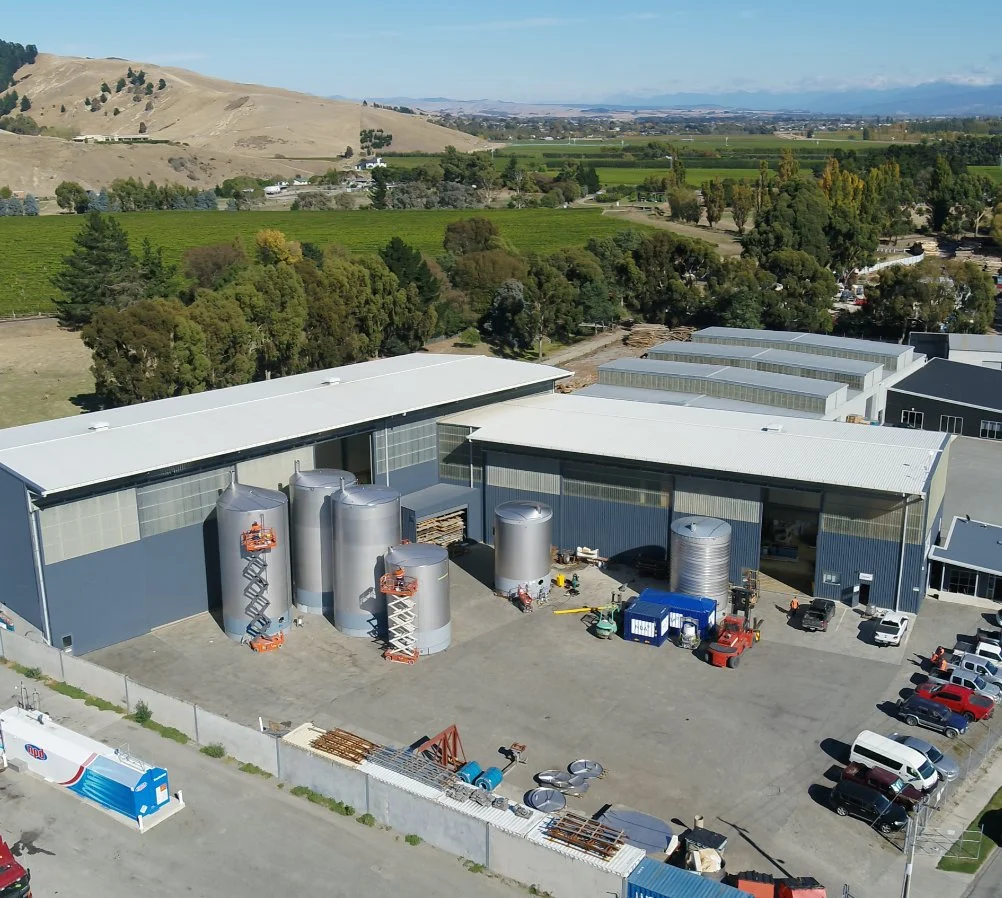
Today, he runs Tira. Six facilities across New Zealand, with a growing presence in the US and Australia. The business delivers complex stainless and engineering solutions into the dairy sector, operating in markets where relationships, capability, and execution all matter.
He already understood the landscape. The customers, the players, how decisions get made. But understanding something and seeing it clearly aren’t quite the same thing.
“We know a lot about what we do. We’re just not very good at writing it down or stepping back from it.”
That was the gap.
Not knowledge. Structure.
In previous roles, Clint had access to strategy teams and analysts. People whose job was to step back, connect the dots, and turn experience into something structured. At Tira, that layer doesn’t exist.
So the thinking still had to happen. It just needed to come from somewhere else.
Clint wasn’t looking for someone to tell him what to do. He was looking for a way to test his thinking, to go back to first principles, and to either validate what he already believed or challenge it.
“I wanted something that would support the view, or tell me it’s wrong. Both are useful.”
Because that’s how he approaches decisions. Not from a single viewpoint, but from multiple angles. The more perspectives you bring in, the more confident you can be in the path you choose.
What we did
We ran two Market Scans. One focused on the US, the other on Australia.
Not because the offer was different, but because the markets were. Different structures, different industry dynamics, different ways of working.
“Completely different markets. You can’t treat them the same.”
We mapped each one from the ground up. Customers, channels, industry structure, and where value sits within each system. But just as importantly, we looked at how each market actually behaves in practice.
The process itself was straightforward, but it required a shift.
“Normally you’d have more fingerprints on something like this. But we had to trust the process.”
There was a back and forth. Review, challenge, refine. Dig deeper where needed, pull back where things didn’t add value. Nothing unusual in that. Just the work of building something useful.
What changed
The output didn’t suddenly reveal a hidden market. That wasn’t the point.
What it did was bring clarity.
Clint already had a strong sense of where the opportunities were. The work expanded that view and made it more actionable. It broadened the network, clarified channels to market, and helped define where effort should go next.
“We’ve used it to expand who we’re talking to and how we go to market.”
Timing played a role as well. The US business is already sold out for 2026. The focus now is on shaping 2027. That creates a different dynamic.
There’s time to think. Time to choose.
Finding the right work, with the right customers, in the right markets.
“That gives us time to choose.”
It’s a position most businesses don’t get to operate from. Not chasing work, but selecting it.
At the same time, there are constraints. Capital limits how fast the business can scale, which makes those choices more important.
“If we had more capital, we’d do more. But we can’t. So we have to be deliberate.”
That’s where the work really lands. Not just identifying opportunity, but deciding which ones are worth acting on.
The result
Clint didn’t need direction. He already had that.
What he needed was perspective. A way to step back and see the market more clearly, to test his thinking, and to build a broader base for decision-making.
“It’s about getting the wheel turning. Then keeping it turning.”
The Market Scan didn’t change how he thinks. It gave him more to work with. More context, more options, and more confidence in the path ahead.
And in a business where growth plays out over years, not months, that matters.