
The whitewater is permanent. Here's what that means for your business.
2 OF 7
There was a time when turbulence had a rhythm. Markets would tighten, business owners would hold on, and calm water would eventually follow. Strategy could be designed for the long run, executed with confidence, and reviewed on a slow cycle. The plan held, because the conditions held.
That world still exists in textbooks. Most NZ business owners know it no longer exists in practice.
The old map: predictable cycles, longer certainty
For most of the past 30 years, business cycles in New Zealand followed a broadly recognisable pattern. A growth period of seven to nine years, followed by a correction, followed by recovery. The timing was never exact, but the shape was familiar enough that you could plan around it.
The strategic model that matched this world was equally logical. Design a strategy, execute it fully, review at the end of the cycle, and adjust. The Review, Learn, Plan, Do loop played out over the years. There was enough stability between the peaks and troughs to make a long-run plan worth committing to.
Resilience in this model meant staying solvent through the downturns and being ready to grow when conditions improved. Batten down the hatches. Hold on. The calm would come.
The map broke
Since 2020, that pattern has broken down. COVID hit New Zealand with an abruptness no business cycle model predicted. What followed was not a correction and recovery, it was a sequence of overlapping disruptions: supply chain collapse, a sharp inflation spike, interest rate increases at a pace not seen in a generation, and a cost-of-living contraction that reshaped consumer behaviour across the country.
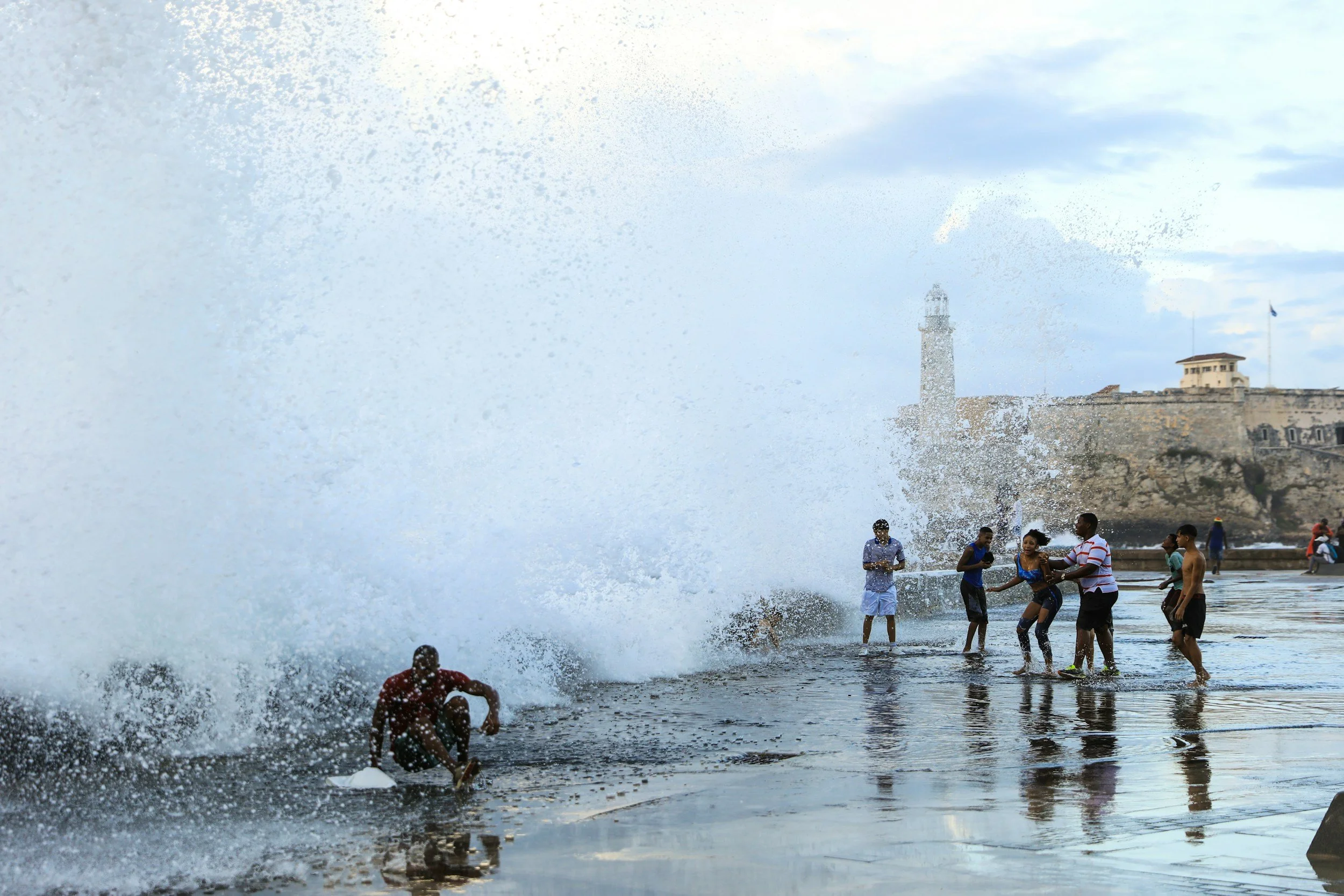
The picture above captures what that looks like in practice. Business performance still rises and falls, but the path is no longer a smooth arc. It bends, redirects, and climbs again on a different line. The whitewater that used to sit between periods of relative calm has become the permanent condition.
And the triggers keep coming. Shifts in customer demand. Competitor moves that weren't visible six months ago. Regulatory changes that rewrite cost structures overnight. New technologies that make established models look slow. Artificial intelligence alone has forced businesses across every sector to reconsider what they do, how they do it, and what their customers will expect in 12 months. That is not a one-off disruption. It is ongoing, and it is accelerating.
The whitewater is not something to wait out. It is the water you are in.
The new resilience: navigation, not endurance
The businesses struggling most right now are the ones still on the old model, strategies designed to run for years, held onto past the point where the market has clearly moved on.
The businesses building real resilience are doing something different. They are constantly evaluating. Many have moved to a 90-day review cycle, not as a productivity habit, but as a commercial discipline. They start something, test it against real conditions, and if it is not working, they let it go and rework quickly. The Review, Learn, Plan, Do loop runs fast and repeats often. That cadence is the point.
Knowing when to drop a path that is not delivering is part of good navigation, not a sign of failure. The businesses that get into trouble are usually the ones that held on too long, because the plan felt too invested to walk away from, or because the market signal was there but no one was watching closely enough to catch it.
What this means in practice
Positioning your business for constant whitewater means building three things into how you operate.
First, a live understanding of your market. Not an annual review. A continuous read of what is shifting in your competitive environment, your customer base, and the broader forces acting on your industry. That intelligence is what lets you see a change coming rather than being caught by it.
Second, a shorter strategy cycle. If your plan is designed to run for three years without review, it is already working from an outdated picture. The businesses navigating well treat strategy as a living document, built on current market facts, reviewed against new information, and adjusted without ego.
Third, the willingness to move. Reading the market is only useful if you act on what it tells you. The new resilience is not about endurance. It is about making good decisions quickly, in conditions that are not going to settle down and wait.
The Market Scan and Growth Program are built for this environment. They give you the market intelligence and the strategic framework to make confident decisions in conditions that don't sit still.